

Bali. The name of this island likely crossed your mind when you and your partner first talked about your wedding day. The tropical atmosphere, rich culture, and seemingly endless choice of locations promise an unforgettable celebration.
However, planning a wedding in Bali, whether you live in Jakarta or on the other side of the world, can feel overwhelming. There are so many options and a lot of conflicting information.
We created this guide for you. Not to sell a fantasy, but to provide a clear and realistic roadmap to make your 2025 planning process more focused, calm, and aligned with your dreams. Let’s begin.
Step 1: Laying the Foundation (12-18 Months Before the Big Day)

These are the three main pillars that will determine all your subsequent decisions. Discuss them openly with your partner.
- Budget: This is the first and most important topic. Determine a realistic maximum figure for you. This budget will influence the scale of the event, the choice of venue, and the number of guests. The main costs are usually divided into: Venue & Catering (can account for 50-60% of the total budget), Decorations, Documentation, Attire, and Legalities.
- Guest Count: Do you want a large celebration with hundreds of guests, or a more personal and intimate event with just close family and friends? The number of guests will determine the type and capacity of the venue you need.
- Timing: Bali has two main seasons. The dry season (around April-October) is the most popular time with sunny weather, but prices tend to be higher as it’s the peak season. The rainy season (around November-March) offers a more serene atmosphere and more budget-friendly prices, but you will need to prepare a backup plan (Plan B) for outdoor events.
Step 2: Handling the Legalities (Important & Different)

The legal requirements for a wedding in Bali differ for Indonesian Citizens (WNI) and Foreign Citizens (WNA).
- For Indonesian Citizens (WNI):
The process is relatively standard, similar to weddings in other Indonesian cities. You will need documents from the Office of Religious Affairs (KUA) for Muslim weddings or the Civil Registry (Catatan Sipil) for non-Muslims. Common documents required include:- Photocopy of ID card (KTP) and Family Card (Kartu Keluarga)
- Introductory letter from your local neighborhood unit (RT/RW)
- N1, N2, and N4 forms from the local village office (kelurahan)
- Passport-sized photos
- For Foreign Citizens (WNA):
The process requires more attention. Besides registering the marriage at the Civil Registry, you must have:- CNI (Certificate of No Impediment): This is a key document issued by your country’s embassy or consulate in Indonesia, stating there is no legal obstacle to your marriage.
- Photocopy of a valid passport.
- Photocopy of your birth certificate.
- Other documents that may be required by your embassy (be sure to check directly).
Handling the legalities can take time. Start this process at least 6 months before your wedding day.
Step 3: Choosing Your Core Team (9-12 Months Before the Big Day)
Once the foundation and legalities are clear, it’s time to choose the main vendors who will bring your vision to life.
- Venue:
This is the biggest decision. The choice of venues in Bali is vast: on a clifftop with an ocean view, on the beach, in the lush Ubud jungle, or at an exclusive private villa.
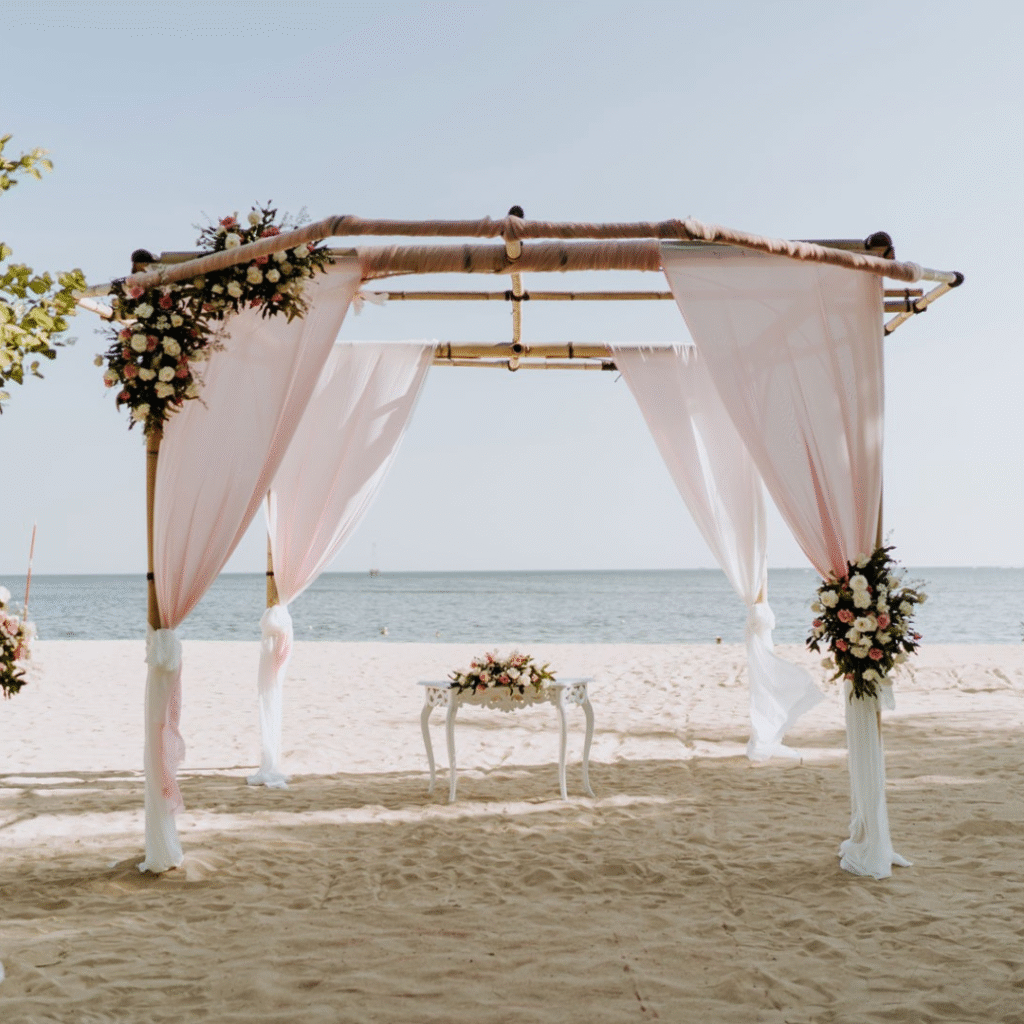
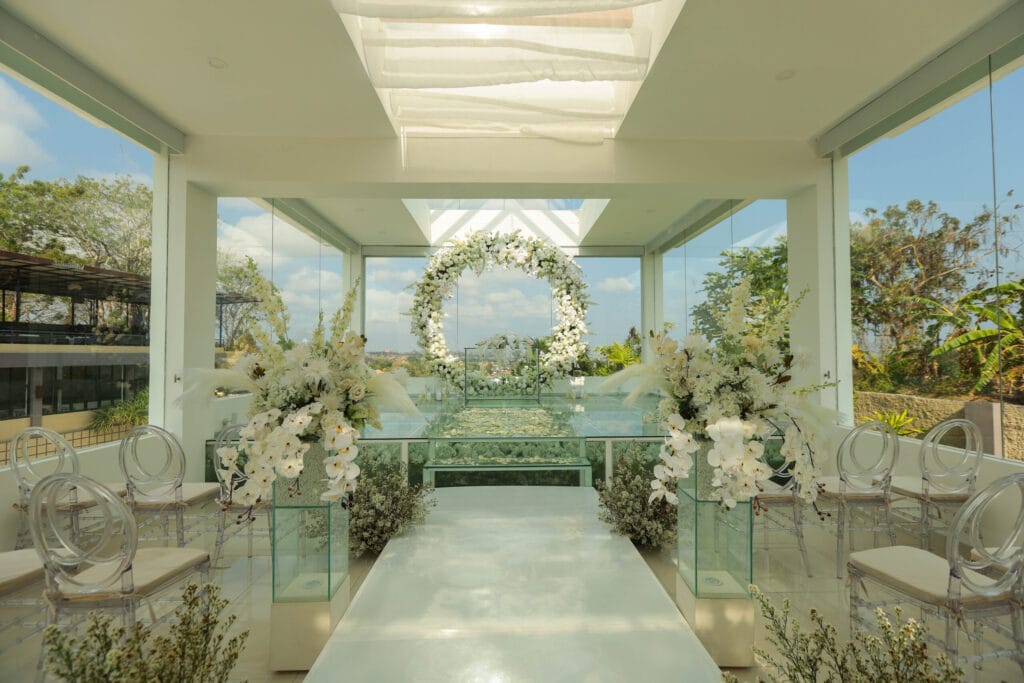
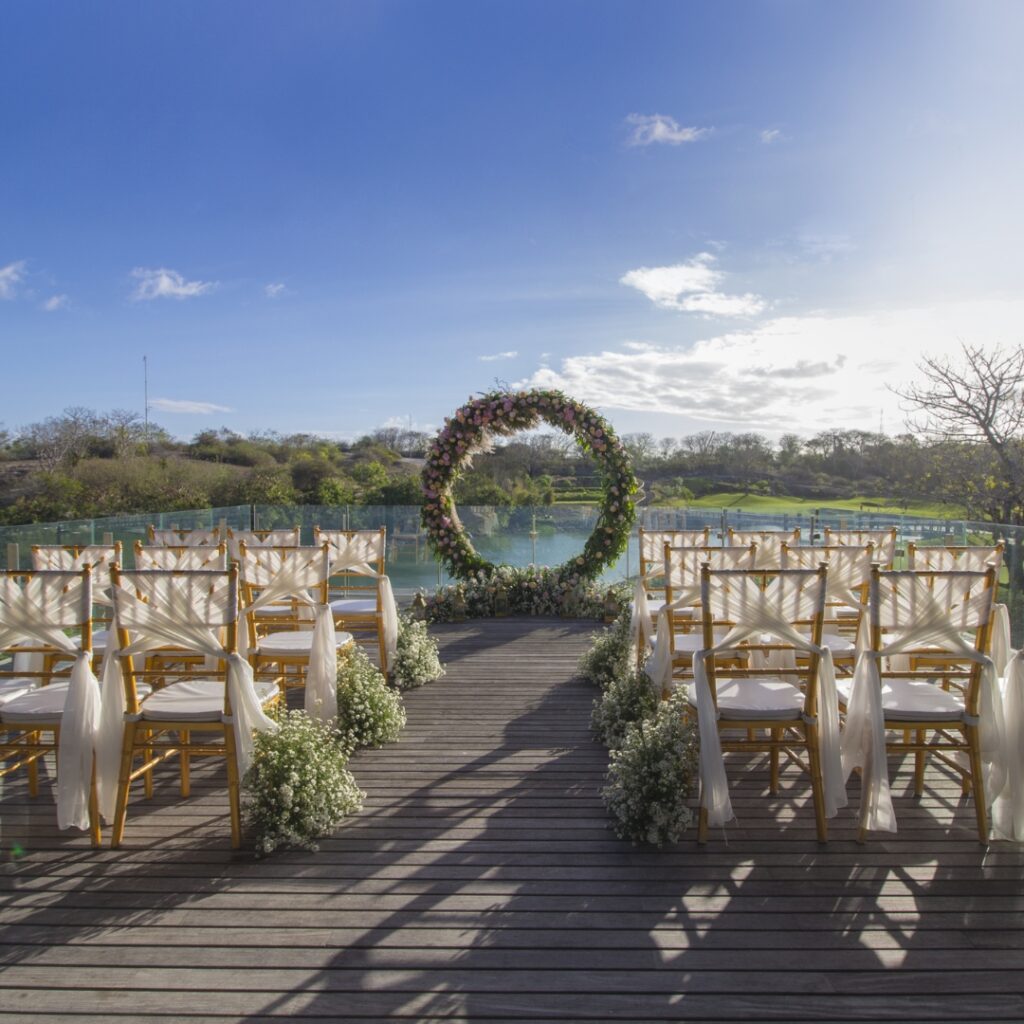
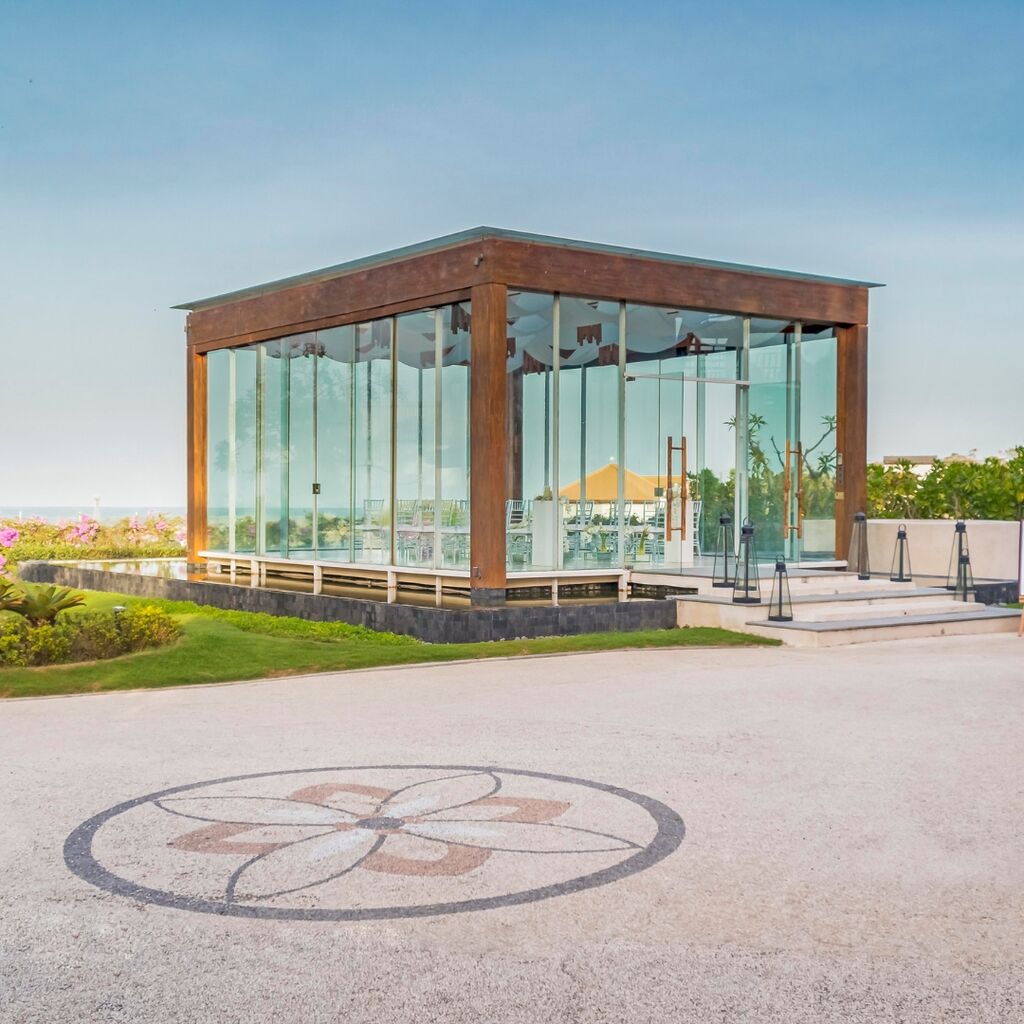
Searching, comparing, and contacting them one by one can be exhausting. This is where baliweddingvenue.id comes in to simplify the process. We are more than just a list. Our platform curates the best venues in Bali, complete with information on capacity, facilities, and price estimates. You can filter options by location, guest count, and budget, all in one place. This saves you time and ensures you only see the most relevant choices.
- Wedding Planner / Organizer (WP/WO):
Highly recommended, especially if you are planning from outside of Bali. They are your ‘project manager’ on the ground, who will help manage vendors, schedules, and the smooth running of the event on the day. - Photographer & Videographer:
They are the ones who will capture your memories. Look at their portfolios to ensure their style matches your taste.
Step 4: Perfecting the Details (4-8 Months Prior)
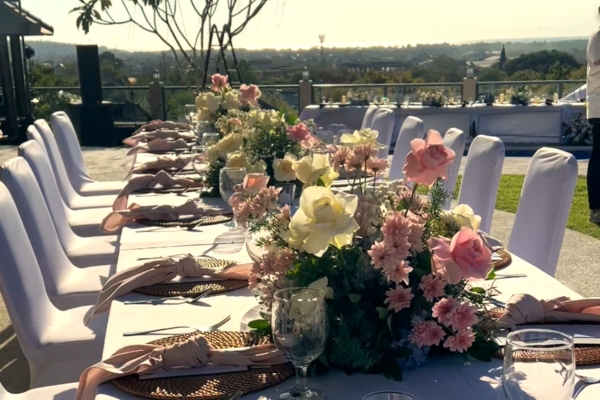
Now it’s time for the details that will make your wedding feel personal.
- Catering: If your venue doesn’t provide a food package, start looking for catering vendors.
- Decorations: Decide on the theme and color palette you want.
- Attire and Makeup (MUA): Start looking for a wedding dress or suit, as well as an MUA who understands your vision.
- Invitations: Design and prepare the invitations to be sent.
Step 5: Final Preparations (1-3 Months Prior)

All the major pieces are in place. Now it’s just about finalization.
- Send out the invitations to your guests.
- Create a detailed event schedule (rundown) with your WP/WO.
- Have your final attire fitting.
- Reconfirm all details with every vendor involved.
Your Wedding, Better Planning
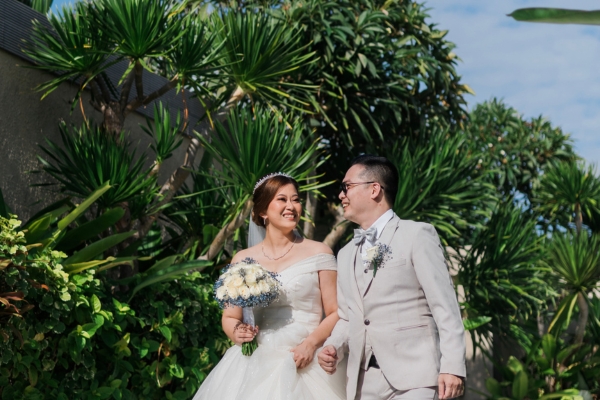
Planning a wedding in Bali is a journey. There will be many decisions, but it doesn’t have to be stressful. The key is structured planning and having the right partners.
Instead of opening dozens of tabs on your browser to search for a venue, start your exploration at baliweddingvenue.id. See our curated selections, find the one that’s right for you, and let us help connect you with the perfect location to start the next chapter of your life.
Happy planning!
